Research shows that improved sleep quality enhances training adaptations, supports body health, improves cognitive function, and enhances overall well-being
While adaptive circadian remodeling may preserve functional stability under changing biological conditions, pathological circadian misalignment is typically associated with disease states, accelerated aging, neurodegeneration, metabolic disorders, or chronic exposure to chronodisruptive factors such as irregular light exposure or feeding patterns ( Melatonin is not only the principal hormonal output of the circadian system but also a pleiotropic molecule with chronobiotic, antioxidant, immunomodulatory, and neuroprotective properties

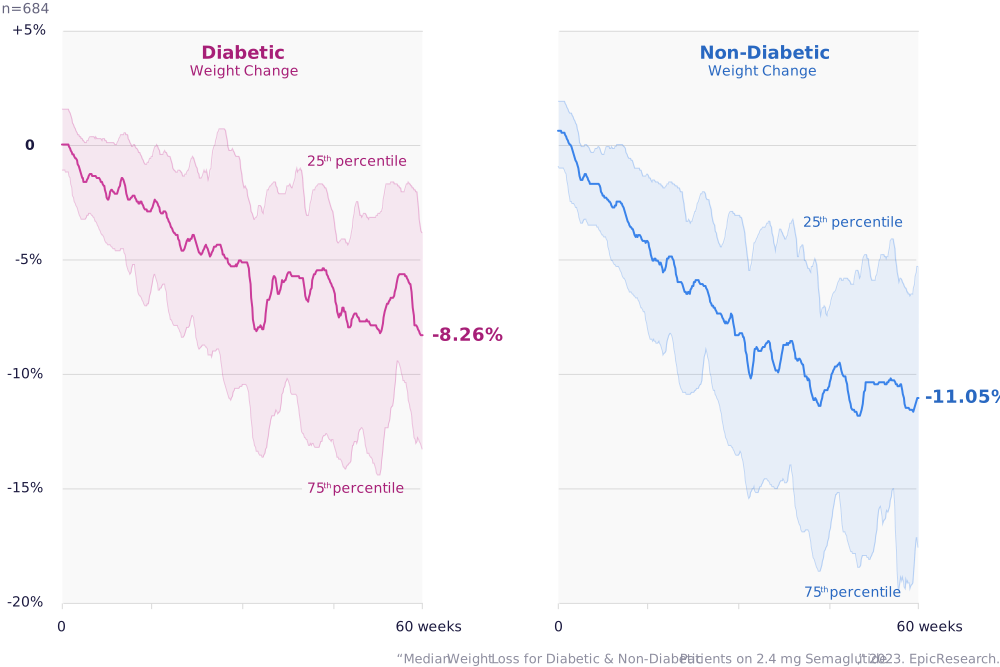
Sources Comparative review of semaglutide and tirzepatide mechanisms (Pharmacological Research, ScienceDirect) A Contemporary Rationale for Agonism of the GIP Receptor in the Treatment of Obesity (Diabetes, American Diabetes Association) GIP Receptor Agonism Attenuates GLP-1 Receptor Agonist-Induced Nausea and Emesis in Preclinical Models (PMC) Anorectic and aversive effects of GLP-1 receptor agonism mediated by brainstem CCK neurons, modulated by GIP (PMC) Head-to-Head Trial Compares Weight Loss Drugs (Weill Cornell Medicine Newsroom, reporting NEJM SURMOUNT-5) Head-to-head comparison of tirzepatide and semaglutide for weight loss: systematic review and meta-analysis (PubMed) Are You a GLP-1 Nonresponder
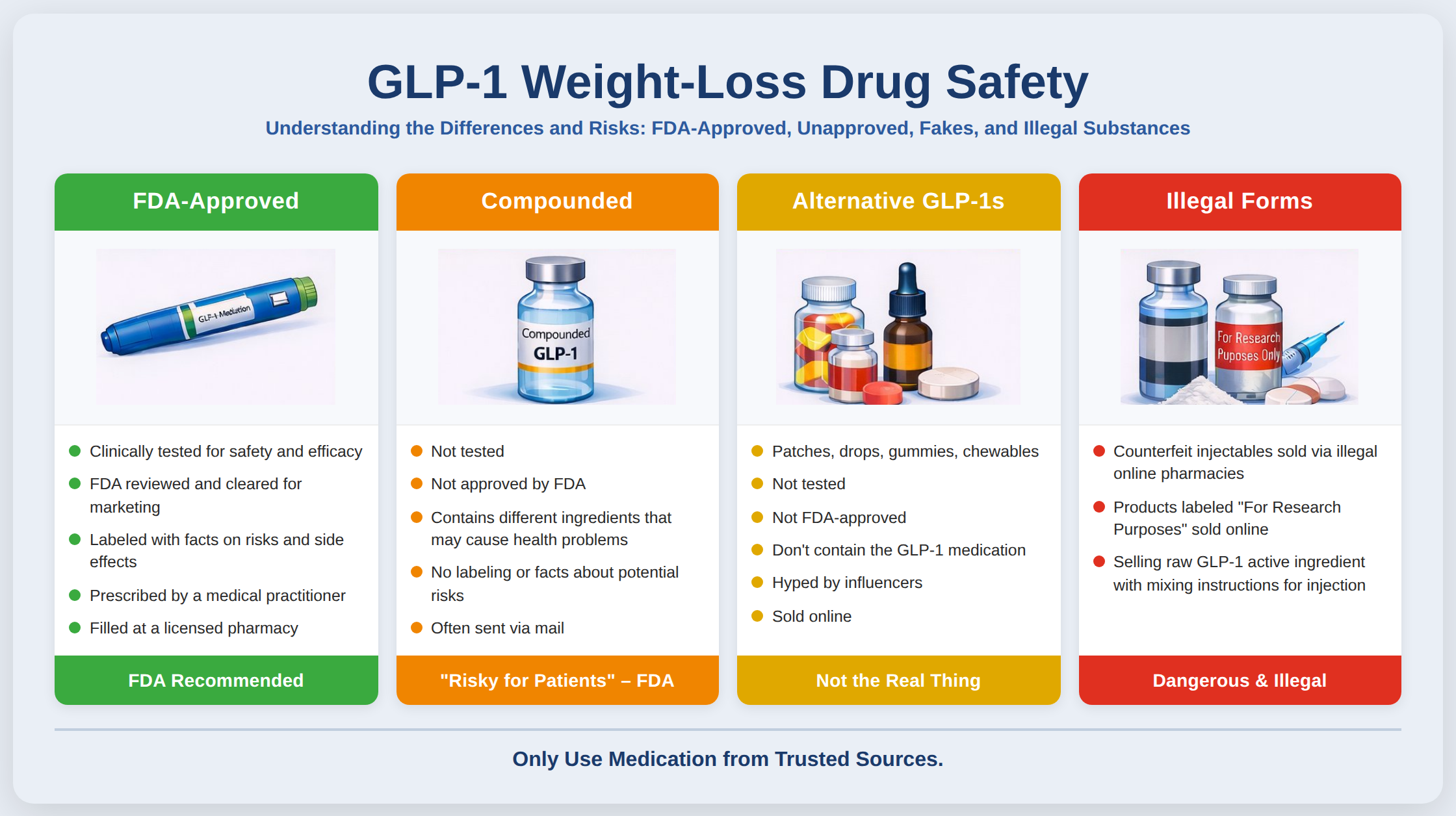
Is compounded semaglutide still available in 2026
A., Sanders, C