Ultrasound scans were taken of the skin of a woman (59 years old) before treatment, followed by ultrasound scans of the same skin after a month's treatment with a cream containing GHK Cu Powder
Depletion of glutathione by buthionine sulfoxine is cytotoxic for human neuroblastoma cell lines via apoptosis
Mechanistic and preclinical data suggest reduced fibrosis, improved closure quality, and balanced remodelling References References Regenerative & protective actions, gene-level mechanisms (review) Copper peptides in skin anti-aging/cosmetics (review) PubMed record of GHK-Cu review Narrative reviewmusculoskeletal healing, angiogenesis, anti-inflammatory actions Orthopedic sports medicine overview (preclinical + early clinical signal) BPC-157 Functional/therapeutic overview of T4 TB-500 in repair/regeneration (review) Landmark Nature paper TB-500cardiac cell migration/survival & repair Synonyms: Bpc-157, 137525-51-0, Bepecin, Bpc 15 TB500, 885340-08-9, UNII-QHK6Z47GTG, QHK6Z47GTG GHK-Cu acetate, 300801-03-0, TB-500, copper;acetic acid, 2-6-amino-2-[[(2S)-2-(2-aminoacetyl)azanidyl-3-(1H-imidazol-4-yl)propanoyl]amino]hexanoate, GHK-Cu acetate, Gly-is-Lys-Cu(II)
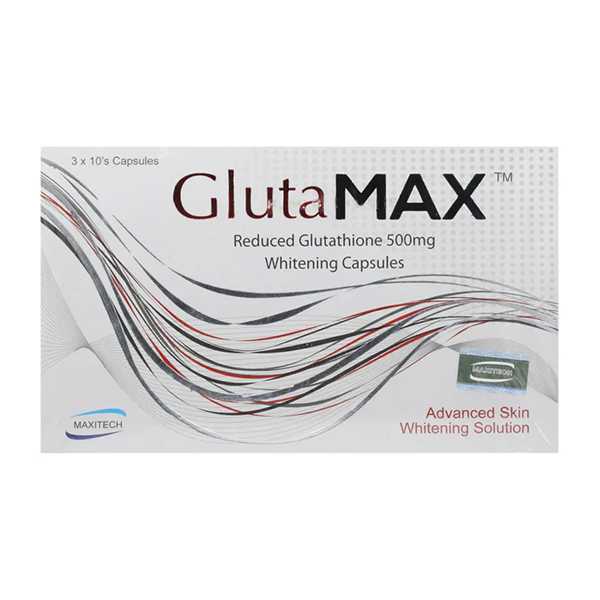
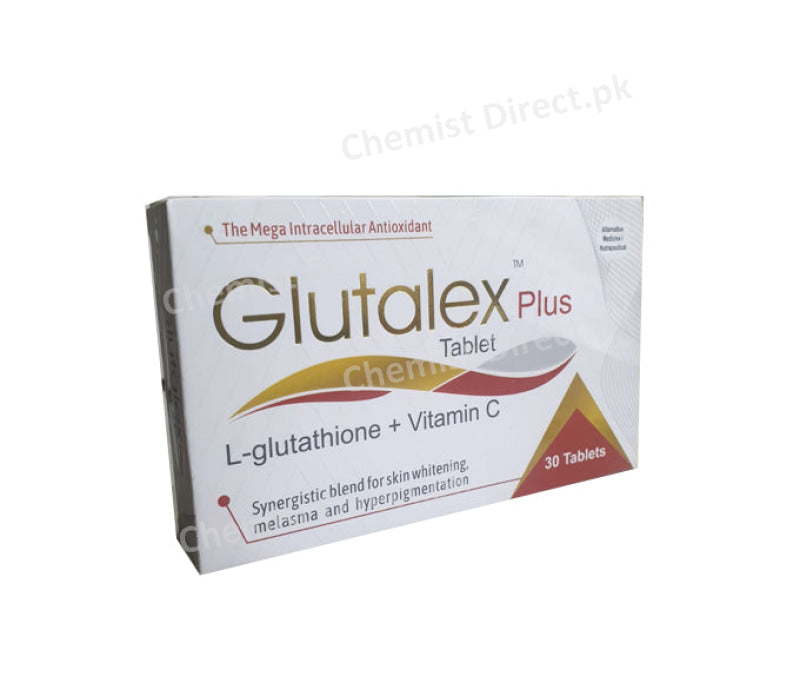
Vitamin C (Ascorbic Acid) directly regenerates oxidised glutathione (GSSG) back to its active reduced form (GSH) via the ascorbate-glutathione cycle effectively recycling and extending the functional antioxidant lifespan of each glutathione molecule absorbed
Liposomal delivery wraps the glutathione in a protective fatty layer that mimics our own cell membranes