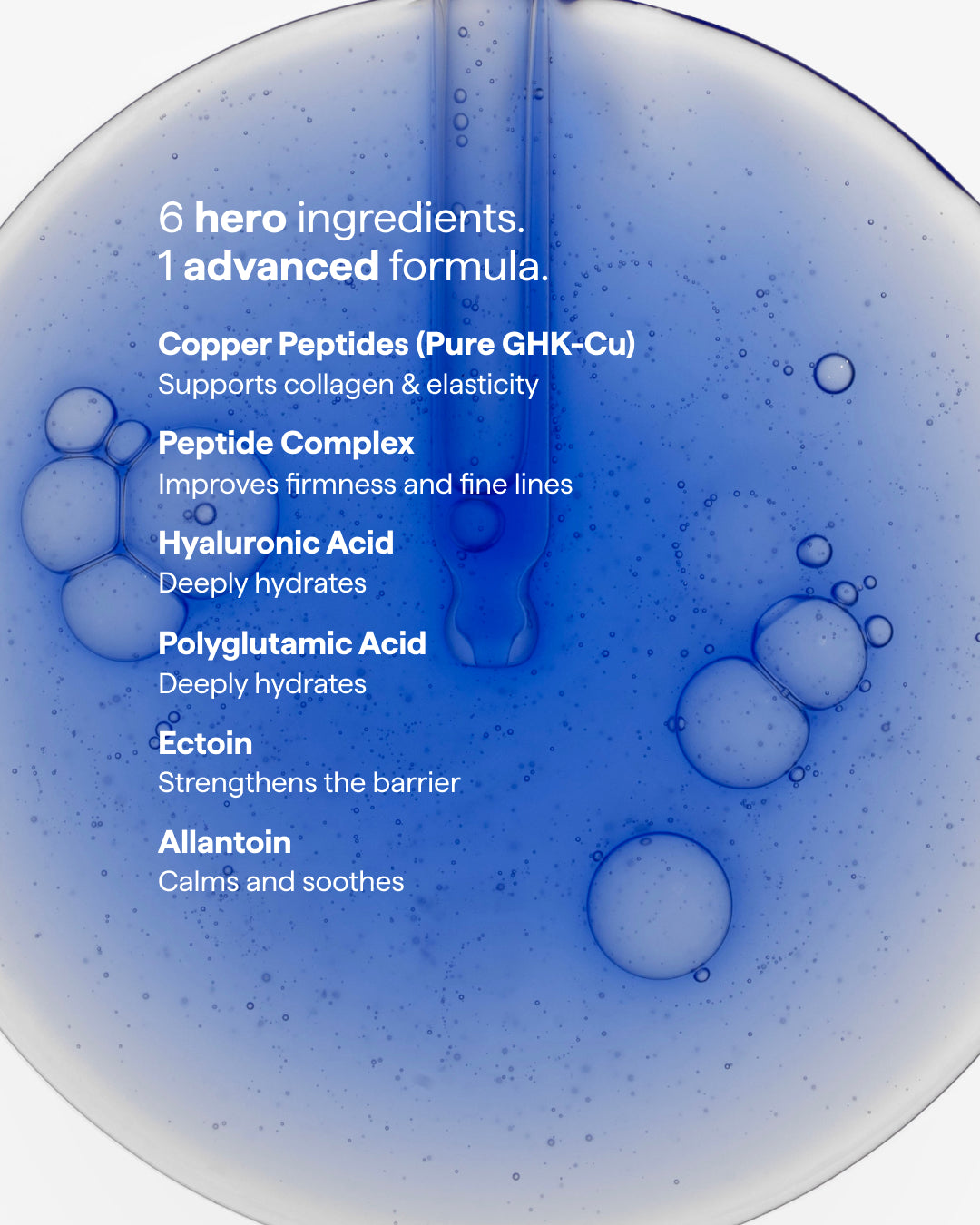
After opening commercial serum Once opened (seal broken): Air exposure begins Bacterial contamination possible Oxidation accelerates Shorter shelf life Track opening date Shelf life after opening: Why packaging matters: Airless pump: Minimal air contact, longest life Dropper: Some air exposure, moderate life Jar: Maximum air exposure, shortest life Finger contamination risk (jar) Best practices after opening: Refrigerate after opening (extends life) Close tightly after each use Don't contaminate (no fingers in product) Use within 6 months ideally Note opening date on bottle Signs commercial serum degraded: Color change (darkening, blue-green tint) Smell change (rancid or off odor) Texture change (separation, clumping) Reduced efficacy (no longer works) Irritation (preservatives depleted, bacteria) When to discard: Past expiration date + 3-6 months opened Any signs of degradation above Unusual smell or color Product separated and won't remix Skin irritation develops Commercial vs DIY serum stability Commercial serum advantages: Professional preservative systems pH buffered correctly Antioxidants included Tested stability (12-24 months unopened) Quality assurance DIY serum challenges: No professional preservatives (or inadequate) pH optimization difficult Limited antioxidant protection Short shelf life (1-2 weeks refrigerated) Bacterial contamination risk Comparison: When DIY acceptable: Make small batches (1-2 weeks supply) Use immediately Refrigerate always Accept short shelf life Understand contamination risk When commercial better: Want convenience Need longer shelf life Travel frequently Don't want frequent preparation Value safety/stability See DIY GHK-Cu serum recipe for home formulation

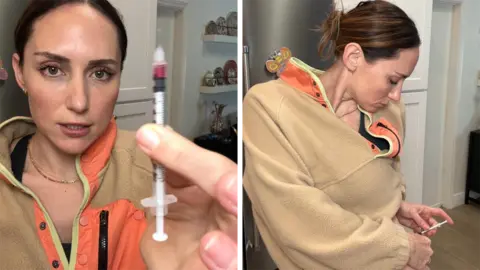
Mistake 5: Reusing syringes or not sanitizing Every time you access a vial with a needle, you risk introducing contaminants
Researchers find blocking or reducing these CC chemokines and their receptors, such as CCL2, CCL3, CCL5, CCL7, CCR1-5, CCR9, and CCR10, can ameliorate tissue swelling and bone erosion (121124)
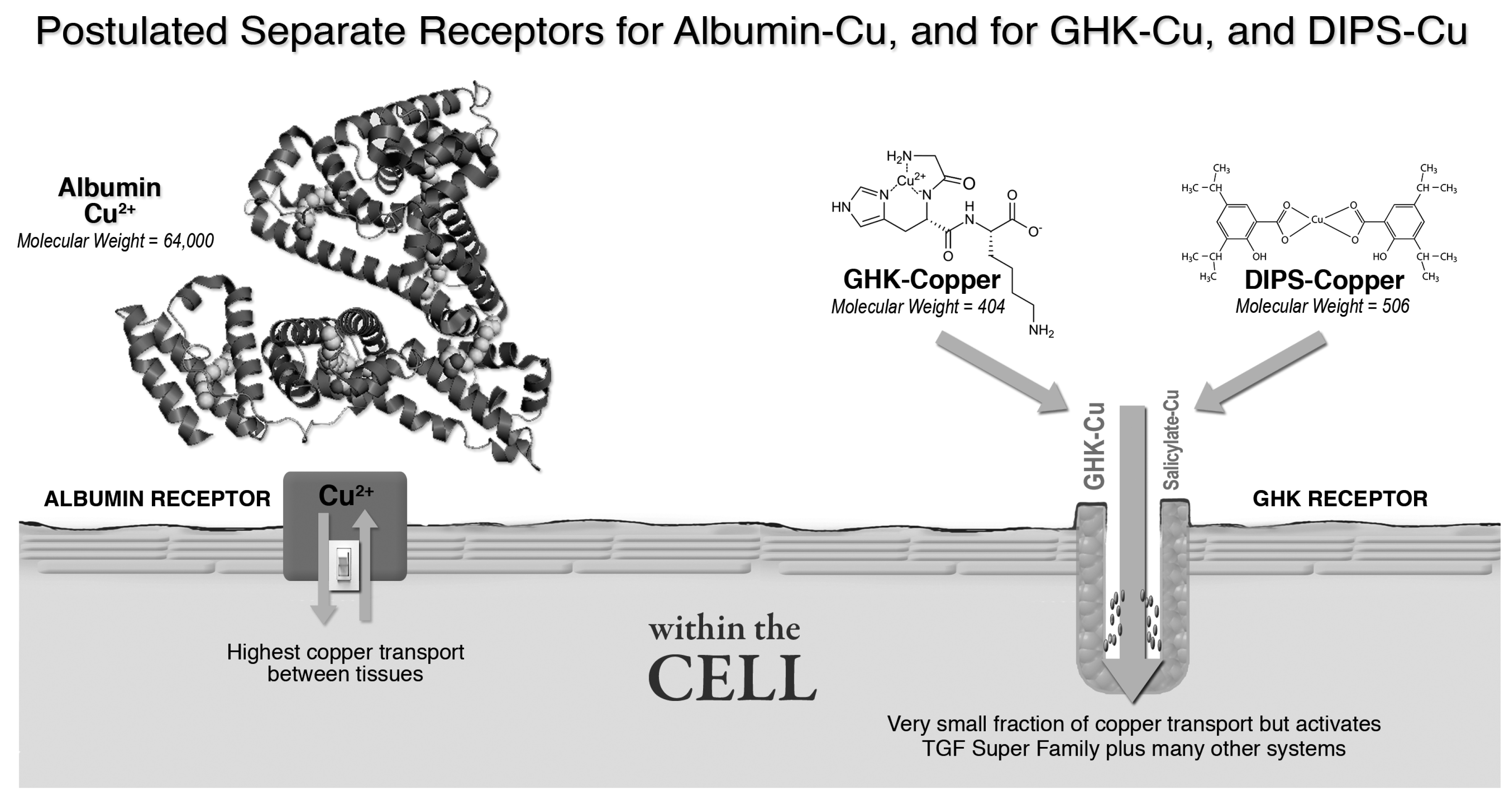
the histidine imidazole and the terminal amine coordinate the copper ion
Longer-term continuous use (6+ months) has less established safety data, though no significant concerns have emerged