Heart rate: the escalation transient This is the two-instruments effect covered above: a modest chronic mean, a larger escalation peak, and a lean, East-Asian tail. Blood pressure moves the other way, down about 6 to 9 mmHg systolic, so the heart-rate rise is not a blood-pressure effect, and it reverses when the drug stops. Low blood sugar tracks the insulin background On its own tirzepatide is insulin-sparing and rarely causes low blood sugar
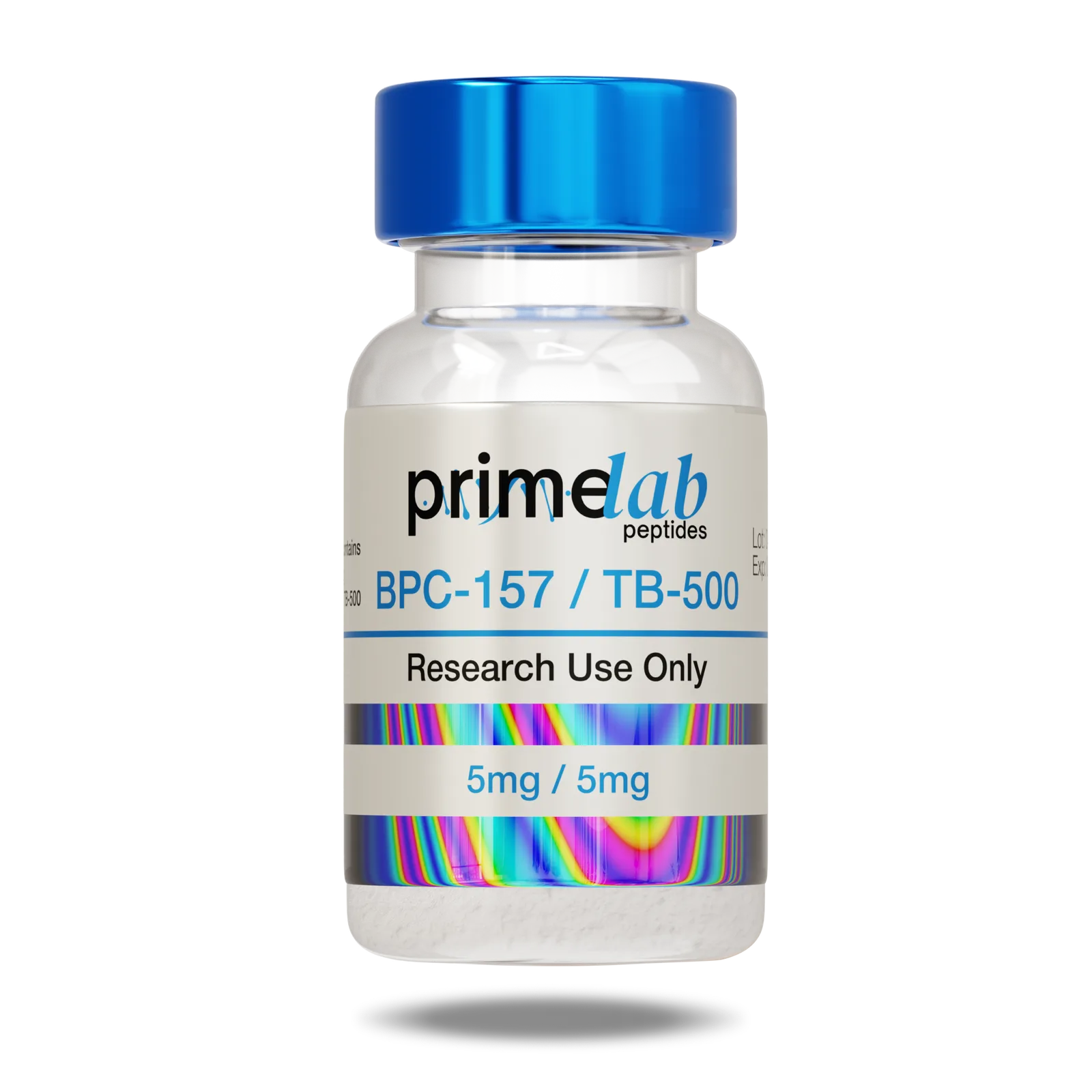
Users report faster recovery from training, reduced joint pain, improved flexibility, and enhanced tissue repair quality
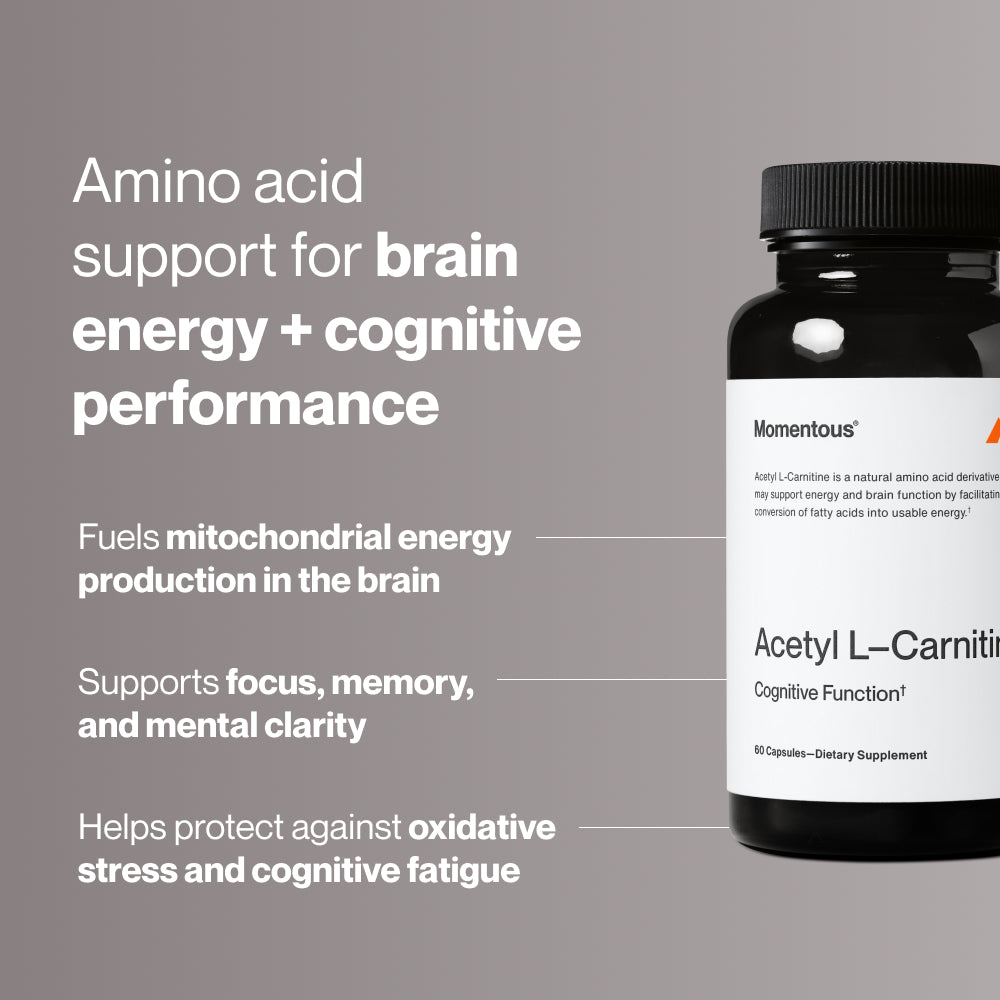
Support the nervous system and brain function
Is ethyl chloride the new nitrous oxide
BPC-157 and Thymosin Beta-4 are adjuncts to standard care (dietary fiber, hydration, topical treatments, possible procedural intervention), not replacements