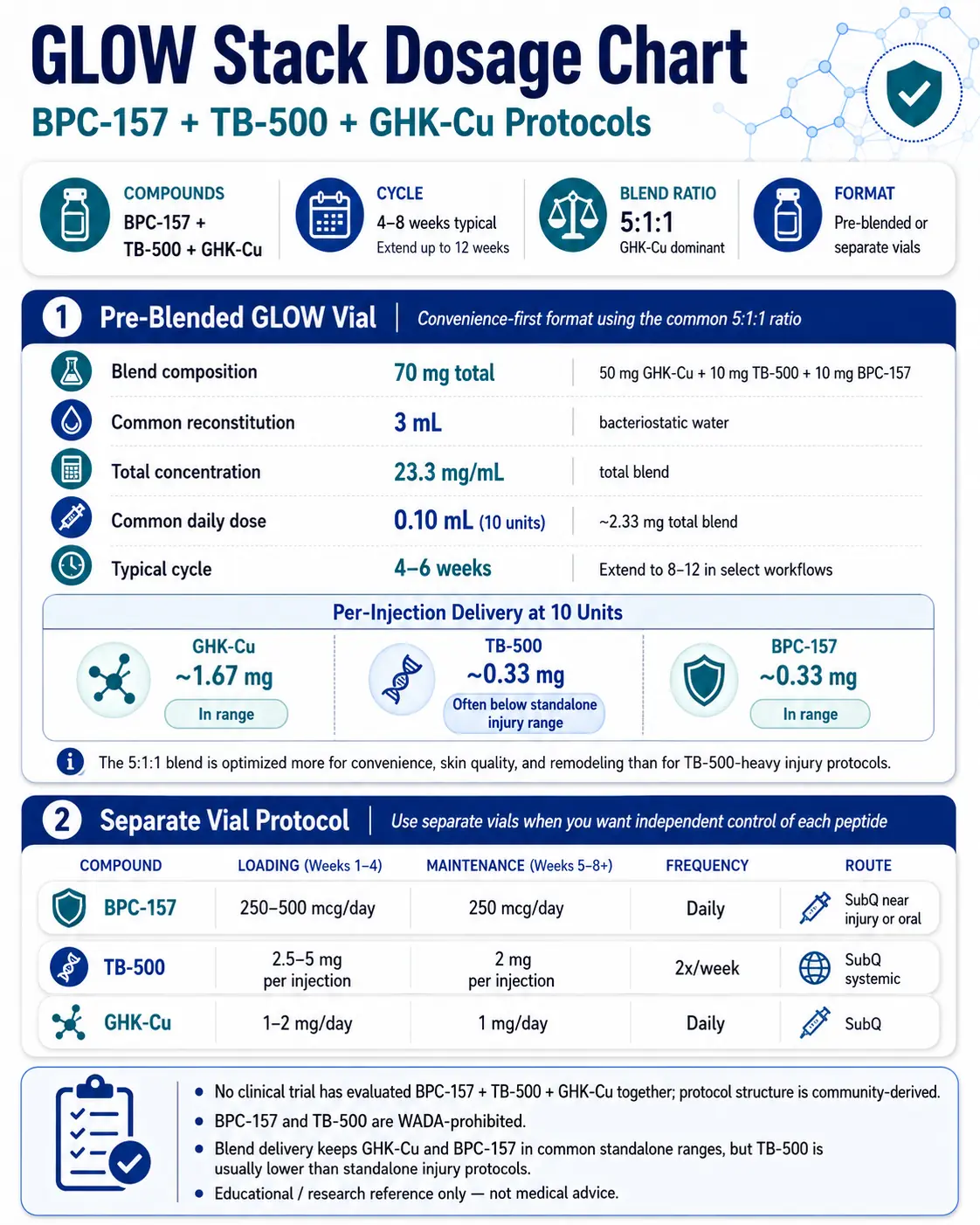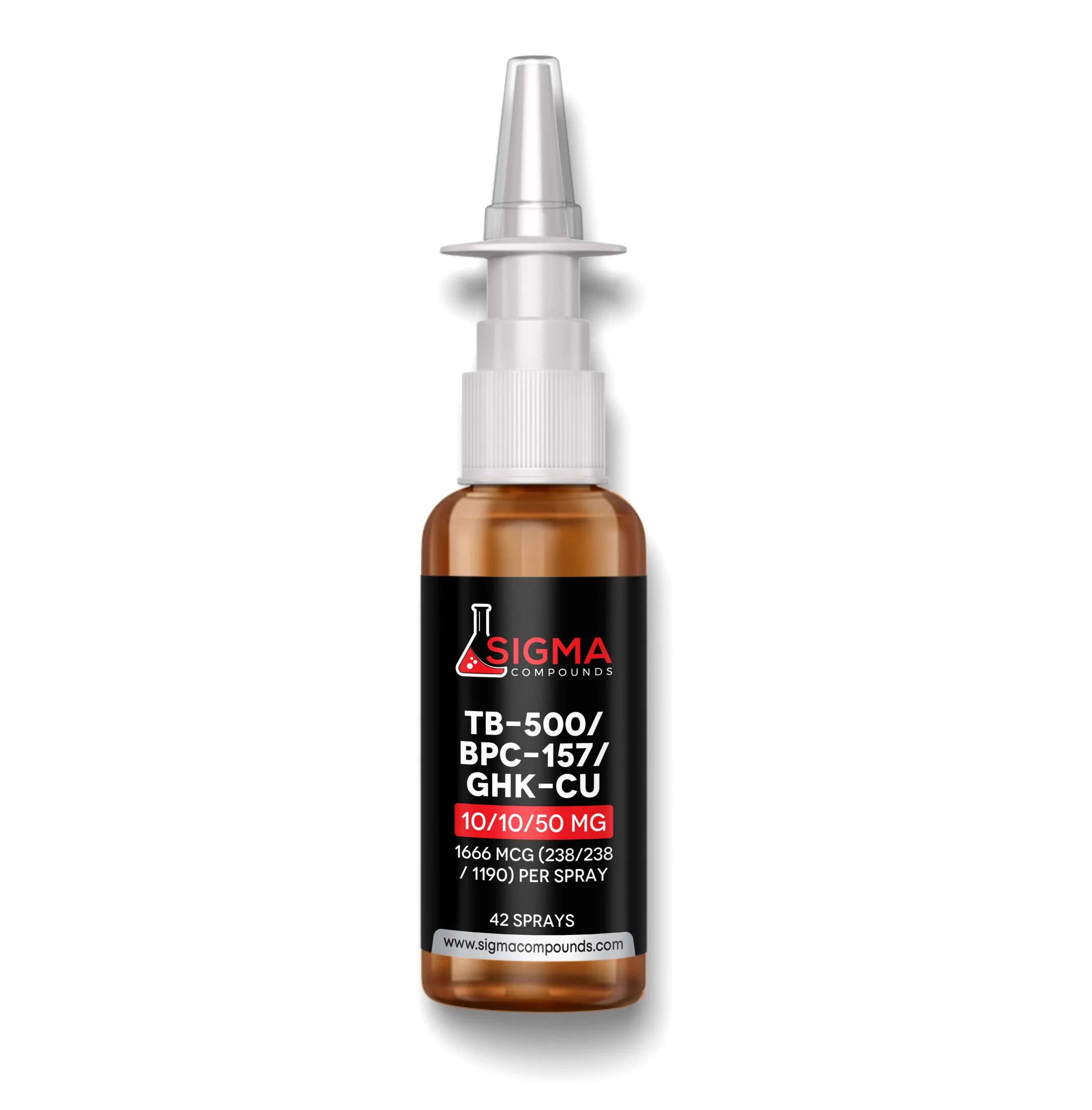
Why It Works: Binds monomeric G-actin and regulates actin polymerization, which drives cell migration, cell growth, and new blood vessel formation (angiogenesis) Supports recruitment of stem/progenitor cells to injured tissue, aiding repair of muscle, tendon, and cardiac tissue in animal studies Modulates inflammatory signaling, tempering excessive inflammation without fully suppressing the healing response Best For: Tendon, ligament, and soft-tissue injuries, plus systemic/full-body recovery support (as opposed to localized, single-site wound repair)
Screened during initial consultation
This material is for research only and is not intended for human consumption or clinical applications
doi:10.1038/nrgastro.2009.125
Rheumatology Rheumatologists treat autoimmune and musculoskeletal diseases such as rheumatoid arthritis, lupus and gout