daily or weekly) to correct deficiency, followed by maintenance (commonly 1 mg IM monthly or as prescribed)
The same goes for other autoimmune conditions, like type 1 diabetes or autoimmune thyroid disease
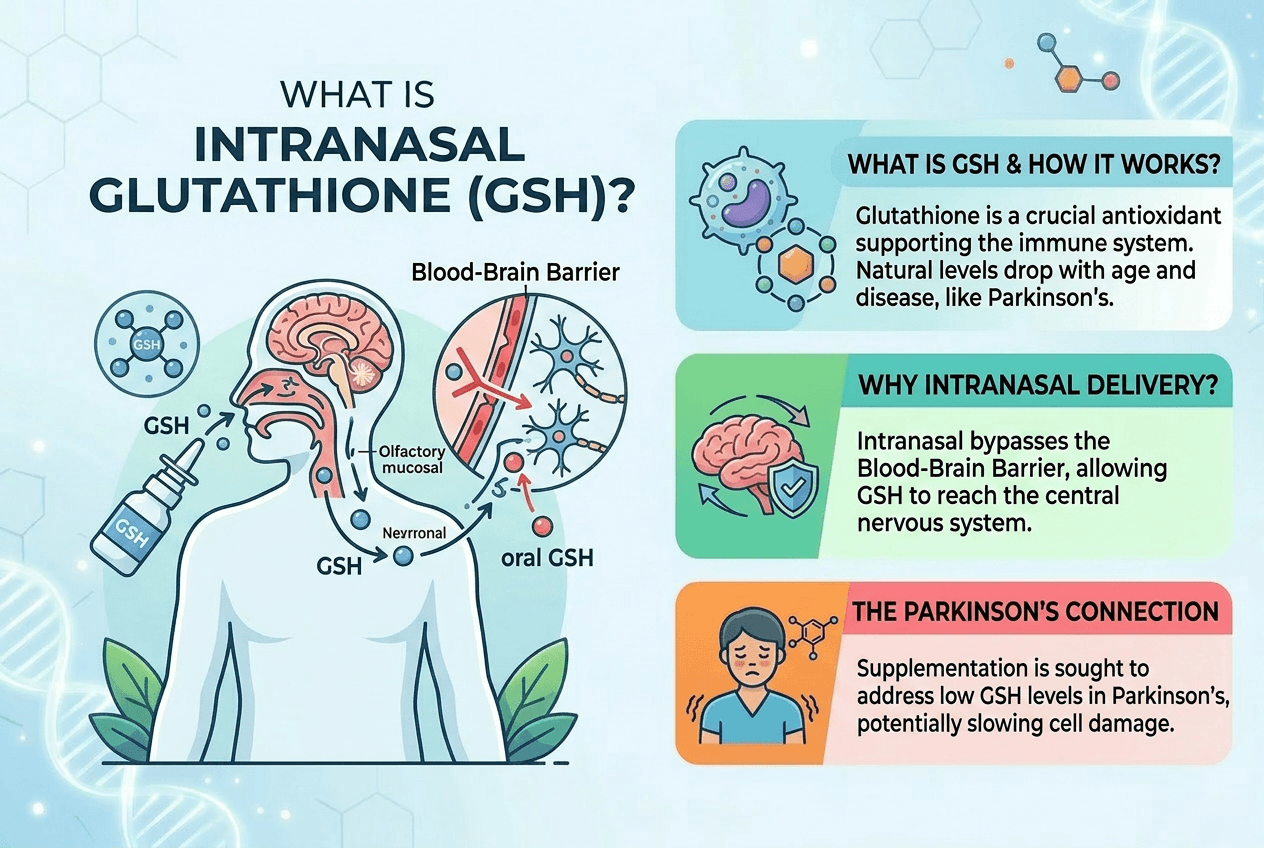
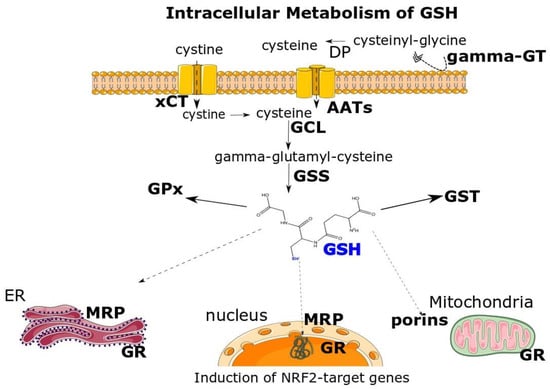
Glutathione is an antioxidant present in almost every cell in the body, playing a role in the detoxification of drugs
Contributing factors include: A diet high in sugar and processed fats[1] Exposure to environmental toxins like air pollution, pesticides and heavy metals[2] Cigarette smoke[3] and alcohol use[4] Infections and chronic inflammation[5] Intense or prolonged physical exertion[6] Psychological stress[7] Biochemically, oxidative stress is marked by an imbalance between oxidants and antioxidants, disrupting cellular signaling, promoting inflammation and weakening mitochondrial function.[8] Over time, this imbalance can lead to cumulative molecular damage, a foundational factor in aging and disease progression
Glutathione deficiency in the pathogenesis of SARS-CoV-2 infection and its effects upon the host immune response in severe COVID-19 disease