BENEFITS Tissue repair studied for accelerating recovery in tendon, ligament, and muscle models Gut protection explored for protective effects on gastric and intestinal lining Angiogenesis linked to promotion of new blood vessel formation in healing tissues Anti-inflammatory associated with reduction of inflammatory markers in preclinical research Neuroprotection investigated for potential nerve regeneration pathways WHAT RESEARCHERS LOOK AT Angiogenesis and vascularization in connective tissue recovery Fibroblast migration and collagen deposition pathways Gastric and intestinal lining protection in animal models Neuroprotective and anti-inflammatory signaling cascades Synergistic effects when combined with TB-500 (Thymosin Beta-4) QUICK SPECS Form: Lyophilized peptide powder Net per vial: 20 mg Purity: 99% (HPLC verified) Identity: MS-verified (per COA) Storage: 28C, protect from light and moisture Reconstitution: Use bacteriostatic water (sold separately) IDENTITY BASICS Sequence: Gly-Glu-Pro-Pro-Pro-Gly-Lys-Pro-Ala-Asp-Asp-Ala-Gly-Leu-Val Molecular Formula: CHNO Molecular Weight: 1419.53 g/mol CAS: 137525-51-0 WHY CHOOSE DURHAM PEPTIDES FOR BPC-157

Dosing Start conservative
The combination of BPC-157 Arginate, Cardiogen, KPV, GHK, and Thymosin Beta-4 Fragment allows integrated investigation of mechanisms related to: Muscle, tendon, ligament, and bone repair dynamics Cellular growth and angiogenesis Collagen synthesis and extracellular matrix organization Fibroblast activation and directed migration Anti-inflammatory and antioxidant activity Wound healing and epithelial regeneration Ocular tissue repair research Maintenance of connective tissue flexibility Regulation of joint-associated inflammatory responses In addition, individual components within the complex have been examined in broader research contexts involving inflammatory skin conditions, acne-related models (including cystic presentations), oxidative stressrelated tissue imbalance, immune-modulated inflammatory states, and experimental models associated with systemic inflammatory conditions

While PMN-MDSCs in the tumor microenvironment undergo spontaneous ferroptosis, this process leads to the release of oxygenated lipids (e.g., oxidized AA-PEox) or PGE2, limiting the activity of both human and mouse T cells [202] (Fig
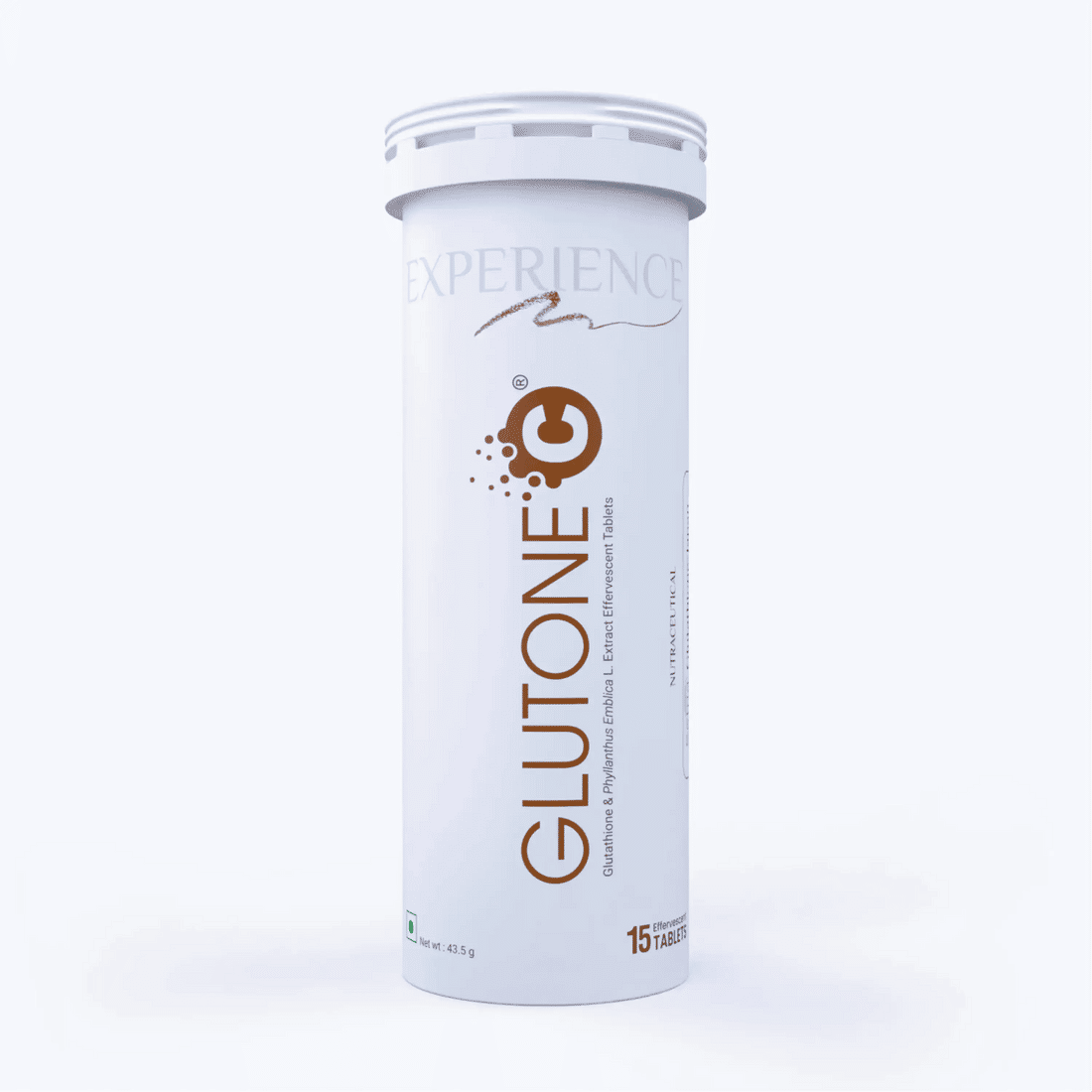
They dissolve prior to use








.jpg)