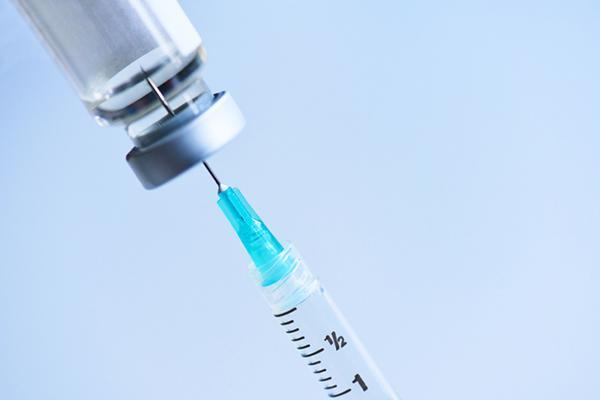
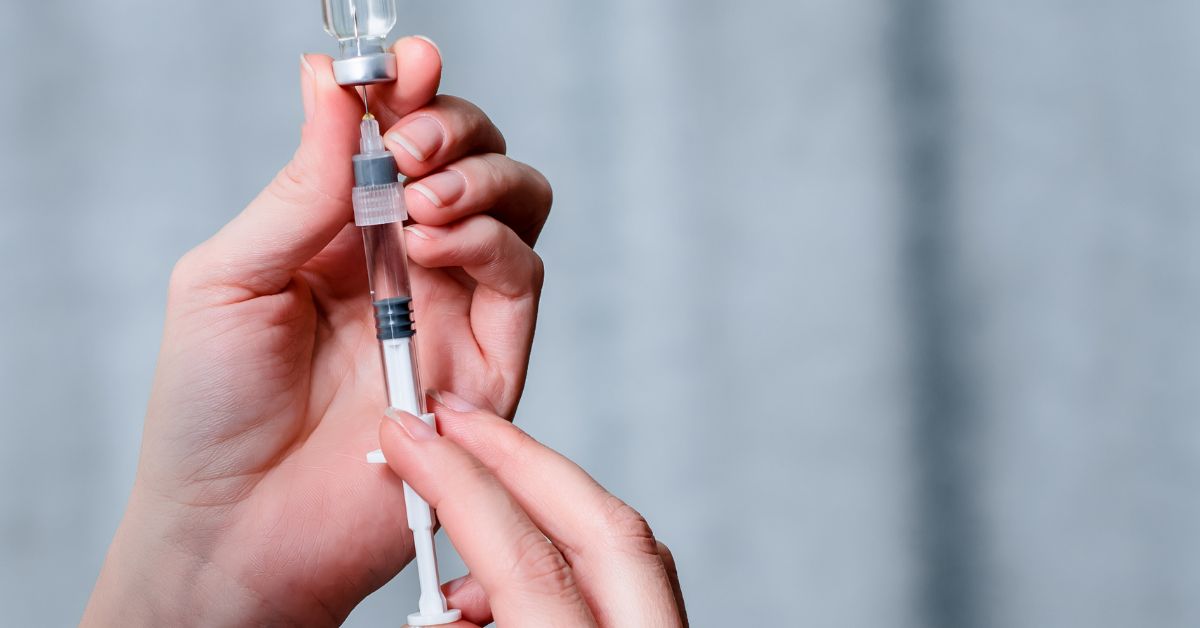
Materials You Will Need Before beginning reconstitution of either BPC-157 or TB-500, ensure you have: Lyophilized peptide vial (verify identity, lot number, and purity certificate prior to opening) Appropriate solvent (see solvent selection section below) Sterile 1 mL or 3 mL syringe with a low-dead-volume tip Sterile needle (typically 23-25 gauge for vial penetration) Alcohol swabs A laminar flow hood or biosafety cabinet for sterile preparation Aliquot vials (low-binding microcentrifuge tubes or glass vials) if preparing multiple aliquots Labeling materials: lot number, concentration, date of reconstitution, initials Solvent Selection: BPC-157 vs TB-500 BPC-157 Solvent Options BPC-157 is highly water-soluble and reconstitutes readily in aqueous solvents
Why rotation matters more than most people realize Lipohypertrophy, the thickened, lumpy tissue that forms from repeated injection in the same spot, is more than a cosmetic issue
The big one: don't freeze it
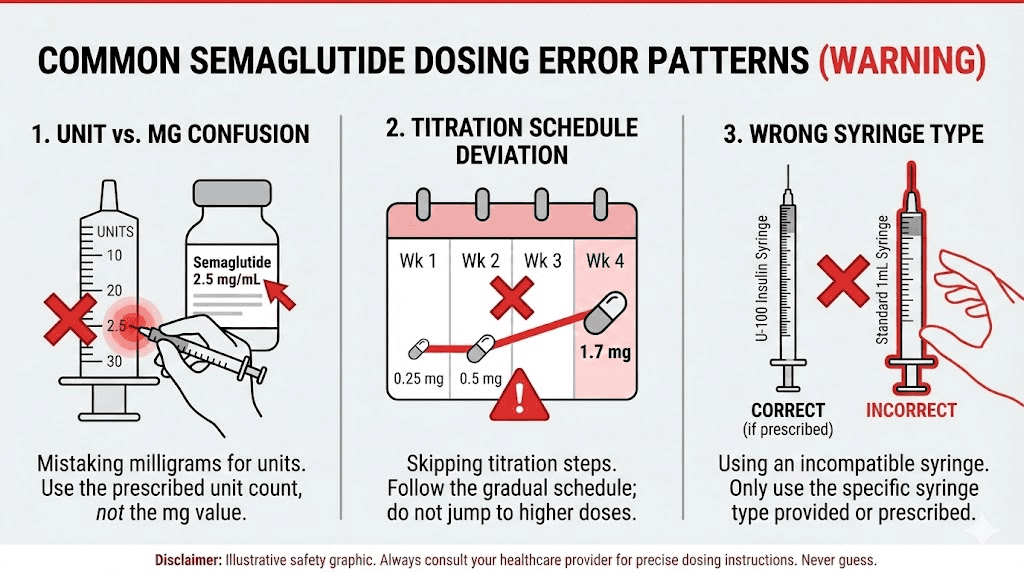
When these measurements are handled through separate spreadsheets, forum examples or manual calculations, users may skip a conversion, misplace a decimal or apply a result that does not match the selected vial strength or liquid volume
Other Uses Compounded methylcobalamin injections and other forms of vitamin B12 injections like hydroxocobalamin and cyanocobalamin may also be prescribed for those with pernicious anemia, diabetes, neuropathy, heart disease, circadian rhythm sleep disorders, memory loss, depression, fatigue, AIDS, inflammatory bowel disease (IBD), Lyme disease, osteoporosis, tendonitis, psychiatric disorders, Alzheimers disease, liver and kidney disease, and asthma