Loss of muscle mass can reduce metabolic flexibility and glucose utilization
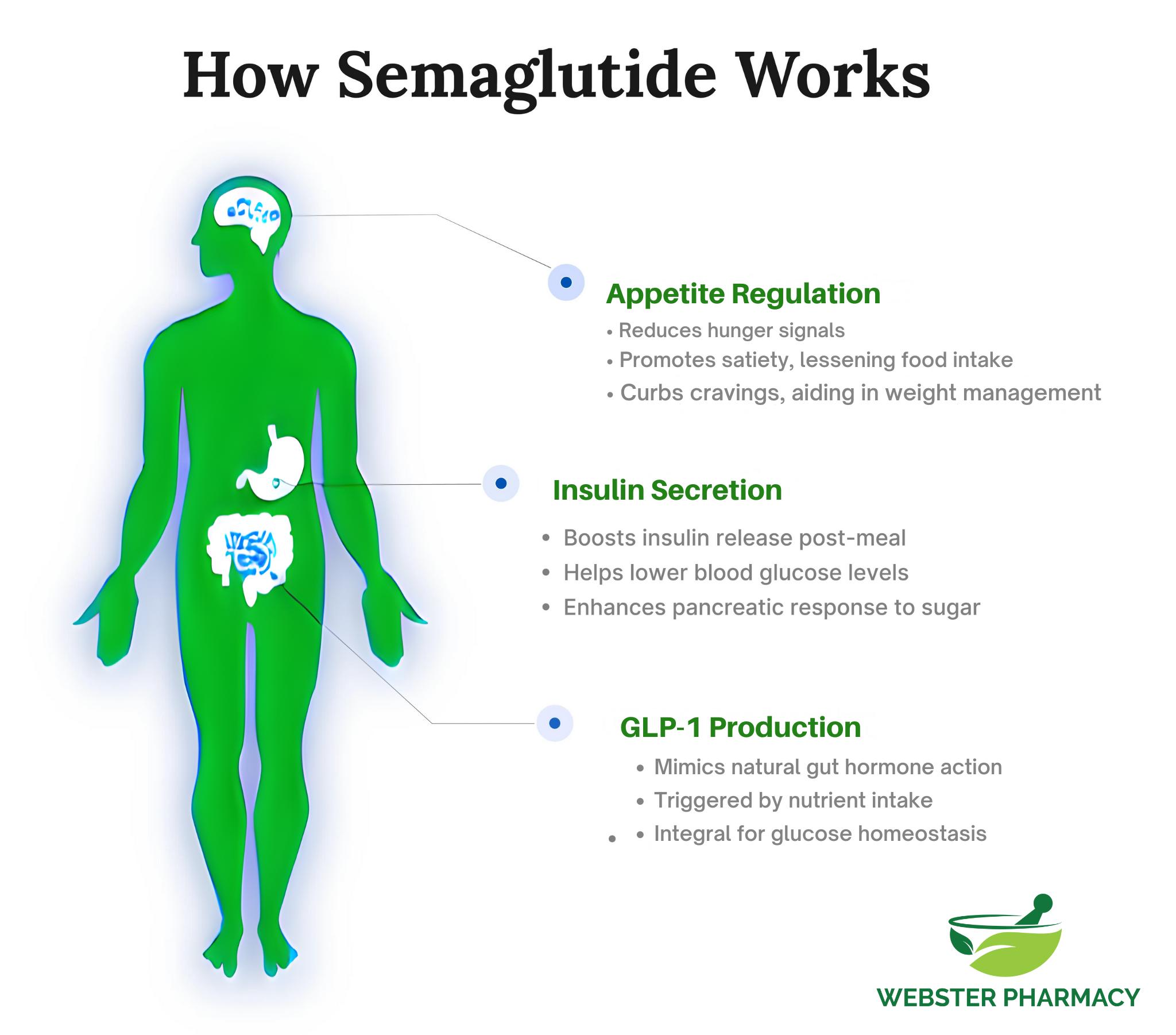
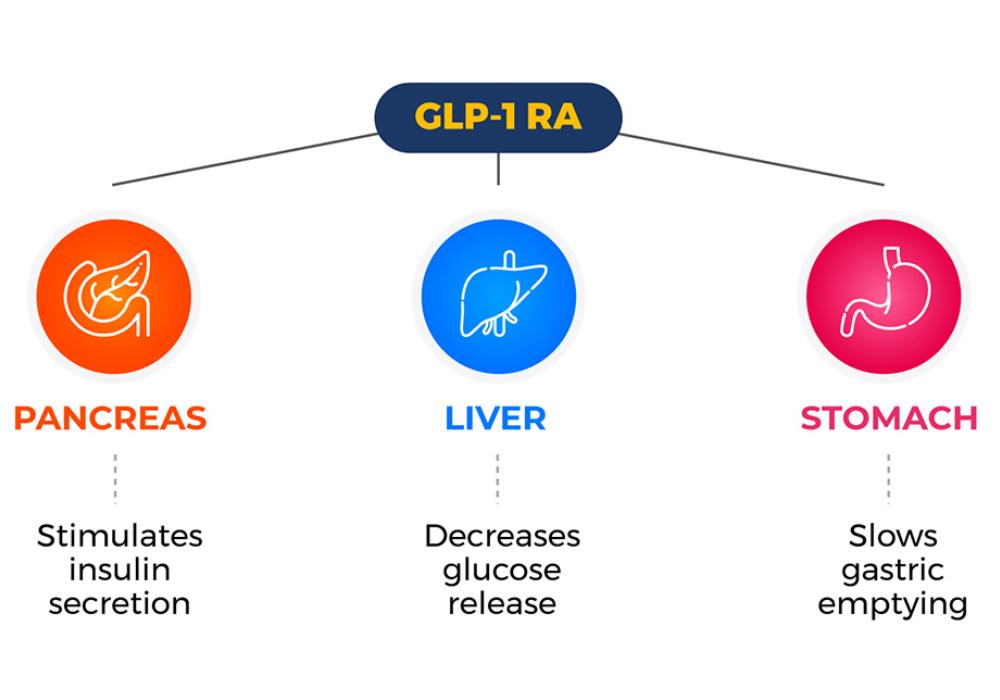
Insulin inhibits glucagon secretion by the activation of PI3-kinase in In-R1-G9 cells
The transition from phentermine to GLP-1 is well-established in clinical practice, and patients who responded well to appetite suppression on phentermine typically respond even better to GLP-1 medications
Your long-term health and safety are always the priority
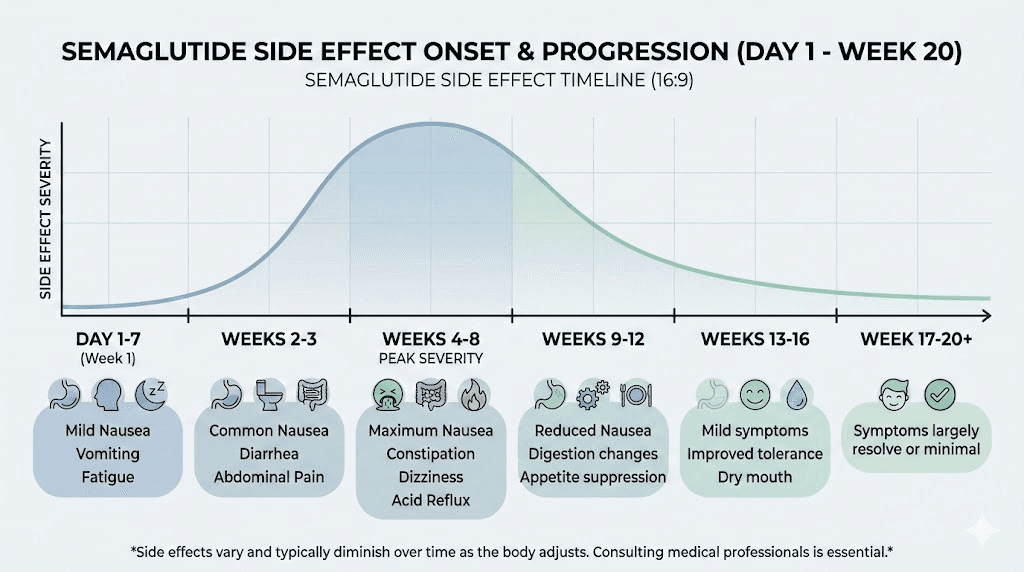
Seek emergency medical help (call 999 or attend A&E) if you experience: Severe, persistent abdominal pain , especially if it radiates to your backthis could indicate pancreatitis, a rare but serious complication Persistent vomiting that prevents you from keeping down fluids, leading to signs of dehydration (dark urine, dizziness when standing, dry mouth, reduced urination) Severe hypoglycaemia with confusion, loss of consciousness, seizures, or inability to treat yourself Chest pain, severe palpitations, or difficulty breathing Signs of an allergic reaction , including facial swelling, difficulty swallowing, or widespread rash Severe weakness or inability to function normally Sudden visual changes , particularly if you have pre-existing diabetic retinopathy Contact NHS 111 or your GP urgently (same day) if you have: Moderate to severe nausea and vomiting lasting more than 24 hours Persistent diarrhoea with signs of dehydration Blood glucose readings consistently below 4 mmol/L despite treatment Abdominal pain that is worsening or not improving Inability to eat or drink for more than 12 hours Reduced urine output, especially if you have kidney disease Any symptoms causing significant concern Routine GP contact is appropriate if you have mild symptoms that are manageable but you need advice about resuming your normal dosing schedule or if you have questions about preventing future incidents