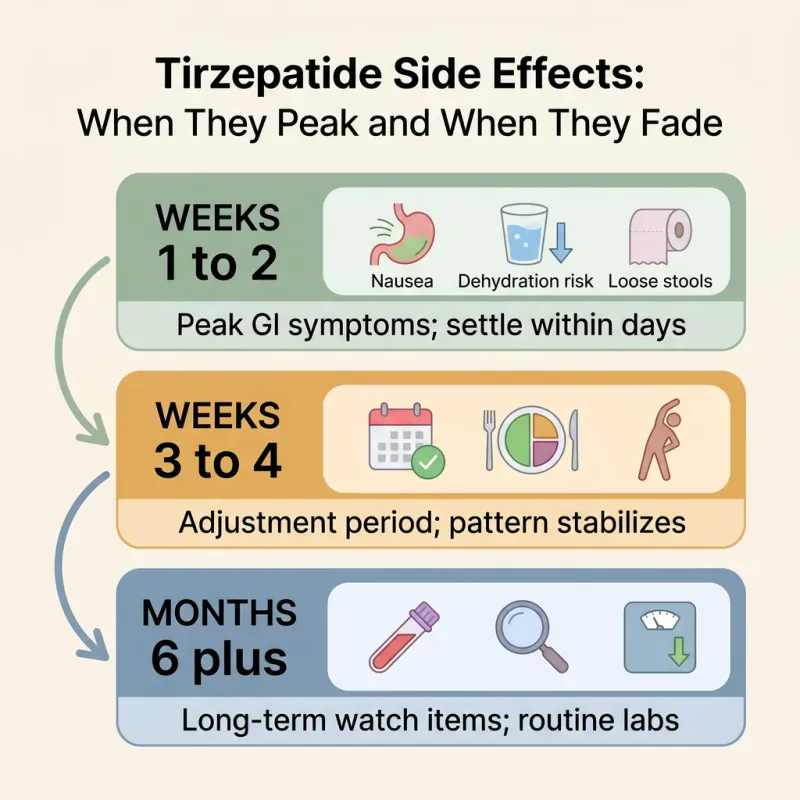
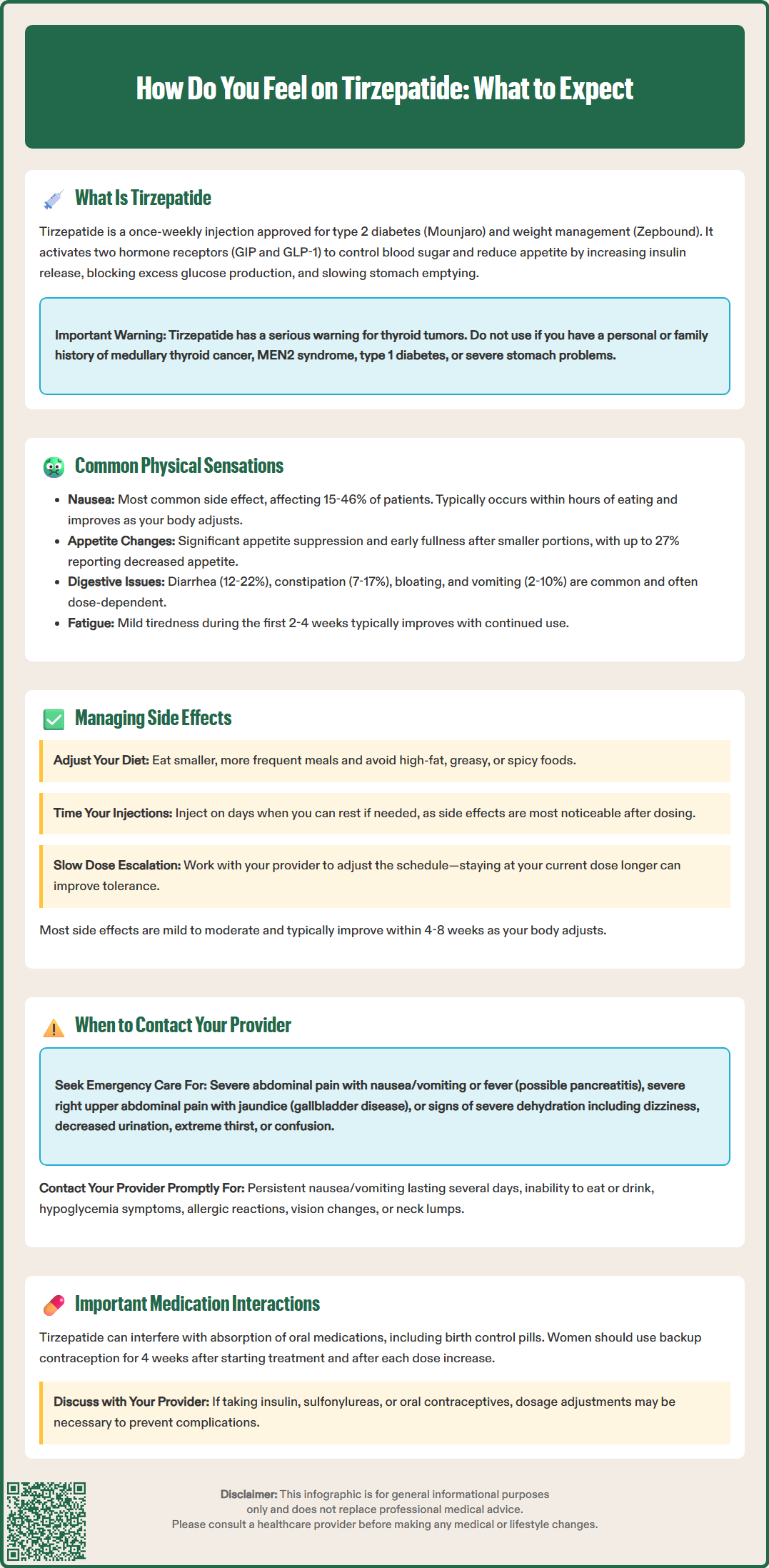
Community references organize stack-related symptoms into rough severity tiers: Discontinue immediately: Severe abdominal pain radiating to the back (possible pancreatitis) Right-upper-quadrant pain after meals (possible gallbladder) Persistent dysesthesia at any dose Cardiac symptoms (chest pain, palpitations) Acute jaundice or dark urine Pause and evaluate: Vomiting more than 5-7 days at the same dose without titration improvement New persistent fatigue beyond expected GLP-1 fatigue Unexpected lab changes (transaminases, lipase, glucose) Weight loss outside the expected curve (sudden acceleration may indicate inadequate caloric intake) Continue with monitoring: Mild injection-site reaction Standard titration nausea that resolves at each stable step Standard appetite suppression Mild constipation (manageable with hydration and fiber) This is a community-described framework, not a clinical guideline
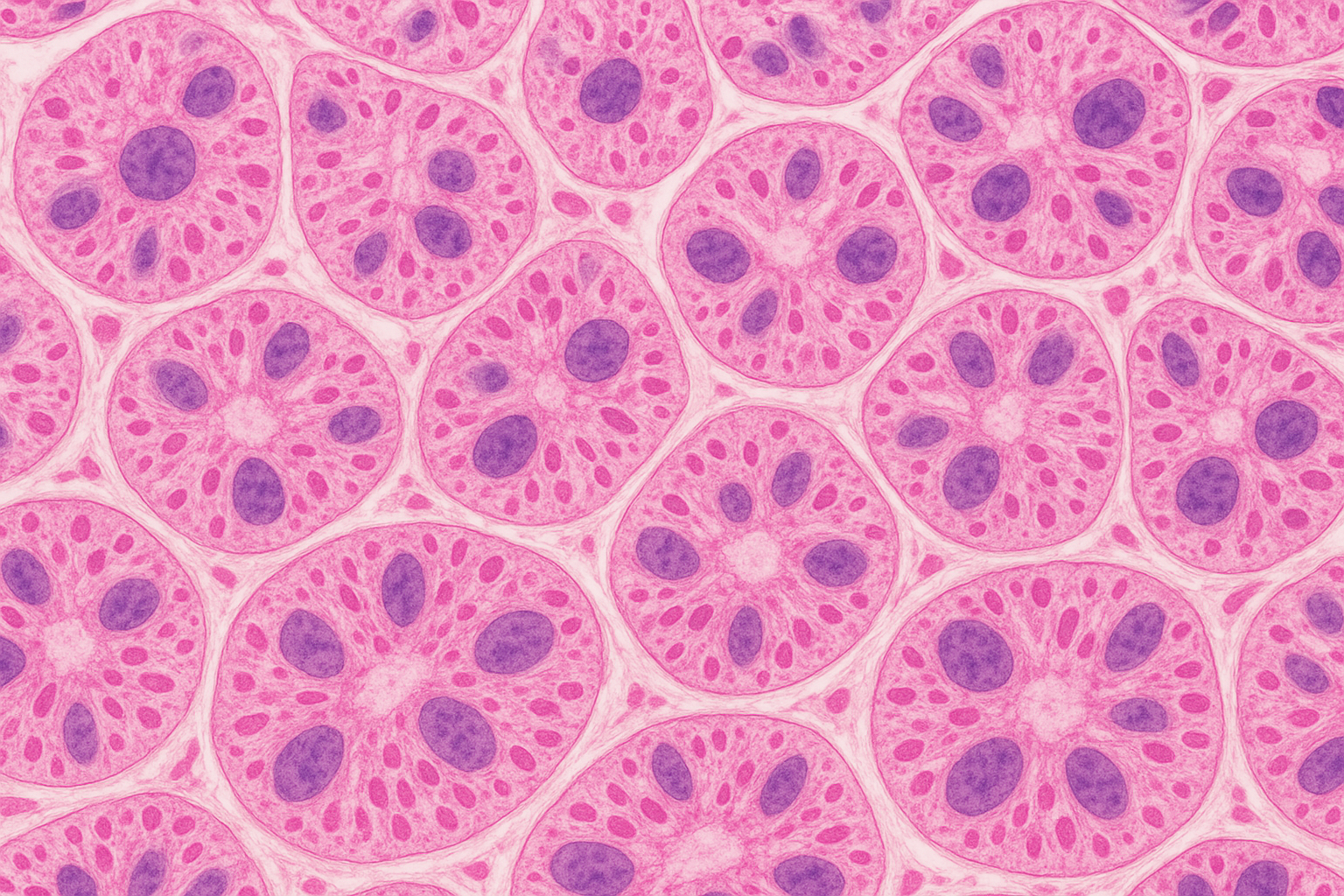
The reclassification, combined with the ongoing interest in tissue repair and regenerative medicine applications, has increased the number of institutions designing new BPC-157 and TB-500 protocols
This helps you decide whether to create a strong or weak solution depending on your target dose size
GHK-Cu Before and After Results : What to Expect GHK Cu, or copper tripeptide-1, is a naturally occurring peptide in the body that plays a pivotal role in skin regeneration
For researchers dealing with significant androgenic hair loss , AHK-Cu might work best as part of a broader protocol rather than as a standalone intervention