Additional Monitoring May Be Considered In Research Models Involving: Cardiovascular or significant cardiometabolic-related conditions Blood-pressure regulation sensitivity Mood-related or psychiatric conditions Neurological sensitivity or chronic migraines Hormonal or neuroendocrine-related disorders Dopaminergic or neurotransmitter-related sensitivity Sleep-related disorders or significant insomnia Multiple concurrent neuroregulatory, hormonal, or stimulant-related compounds Carefully Evaluate Research Models With: Known hypersensitivity to peptide compounds Severe uncontrolled cardiovascular disease Severe uncontrolled mood-related, psychiatric, or neurological conditions Active severe systemic illness Pregnancy and breastfeeding research contexts Additional Research Considerations Because PT-141 may influence melanocortin, neuroregulatory, and behavioral-response signaling pathways, research protocols may warrant monitoring of: Blood-pressure and cardiovascular-response variability Mood- and motivation-related observations Wakefulness- and neurochemical-response patterns Arousal-related and behavioral-response signaling Overall individual tolerability and neuroregulatory response Combination protocols involving neuroregulatory, hormonal, or mood-related compounds may further influence melanocortin and neurochemical response pathways

The content on the Platform should not be considered or used as a substitute for professional and qualified medical advice
Comprehensive Anti-Inflammatory Effects The research reveals GLP-1 receptor agonists provide anti-inflammatory benefits throughout the body: Cardiovascular Protection : GLP-1 receptor agonists reduce inflammation and oxidative stress in coronary artery disease, decrease arterial stiffness, and reduce myocardial fibrosiskey factors in cardiovascular protection
Idasanutlin plus cytarabine in relapsed or refractory acute myeloid leukemia: results of the MIRROS trial
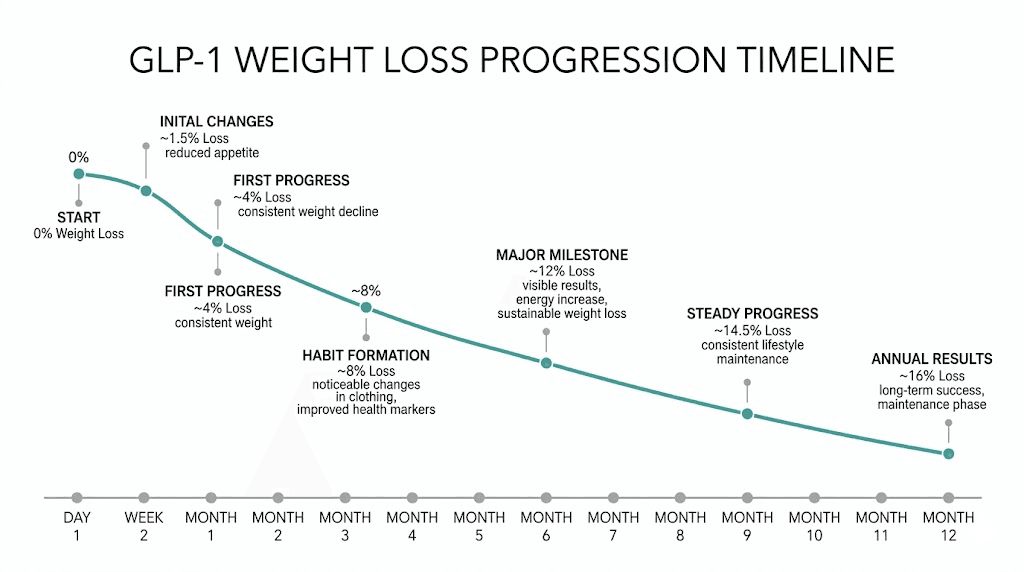
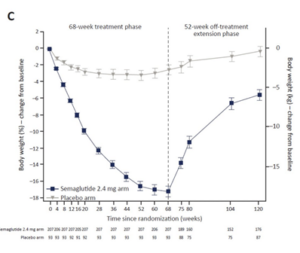
These factors may include high BMI at the start of the therapy, adherence to nutritional guidelines, presence or absence of exercise and the type of exercise used, and more