Product Attributes CAS # : 221231-10-3 Molecular Formula : C78H123N23O23S2 Sequence (AA) : YLRIVQCRSVEGSCGF (with disulfide bond between Cys-7 and Cys-14) Molecular Weight : 1815.1 g/mol PubChem CID : 71300630 Half-Life : ~4-6 hours Synonyms : Anti-Obesity Drug 9604, hGH Fragment 176-191, Lipolytic hGH Fragment, Tyr-hGH (177-191), Tyr-somatostatin Type : Synthetic research peptide (growth hormone fragment) Research Focus : Weight Loss & Metabolic Regulation Scientific References Metabolic studies of a synthetic lipolytic domain (AOD9604) of human growth hormone Animal The effects of human GH and its lipolytic fragment (AOD9604) on lipid metabolism following chronic treatment in obese mice and beta(3)-AR knock-out mice Animal Safety and tolerability of the hexadecapeptide AOD9604 in humans Human RCT Safety and metabolism of AOD9604, a novel nutraceutical ingredient for improved metabolic health Human RCT | Observational | Animal | In vitro Obesity pharmacotherapy: current perspectives and future directions Human RCT Effects of human GH and its lipolytic fragment (AOD9604) on lipid metabolism Animal | In vitro Obesity drugs in clinical development Human RCT Recent advances in the pathophysiology and pharmacological treatment of obesity Human RCT | Observational Potential role of new therapies in modifying cardiovascular risk in overweight patients with metabolic risk factors Observational Peptides: AOD-9604 & BPC-157 Human RCT | Animal | In vitro Included In The Box Every product arrives in a premium, custom-designed PEPTIDE.Power box , engineered for convenience, hygiene, and safe storage in your refrigerator
Some individuals who have deficiencies caused by lack of absorption during digestion respond better to vitamin B12 injections as they are absorbed directly into the body
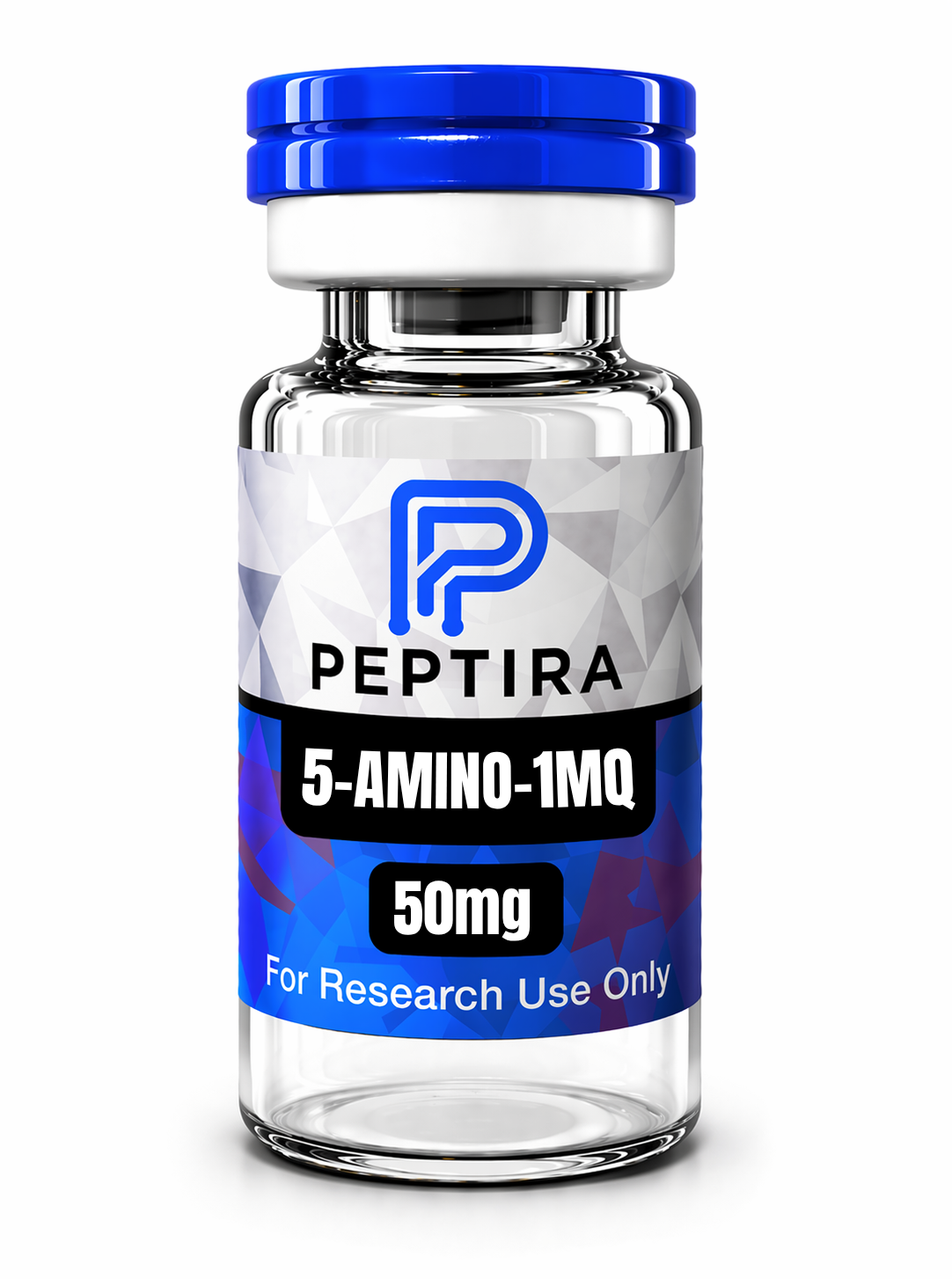
Changes in NNMT activity shouldnt be interpreted as producing predictable changes in NAD+ levels across all biological systems
Age, weight, and other nutritional deficiencies also play a role in the right dosage
Common 5 amino 1mq side effects are typically mild and transient, occurring primarily during the first 1-2 weeks of treatment