Published in WholeFoods Magazine, October 2015
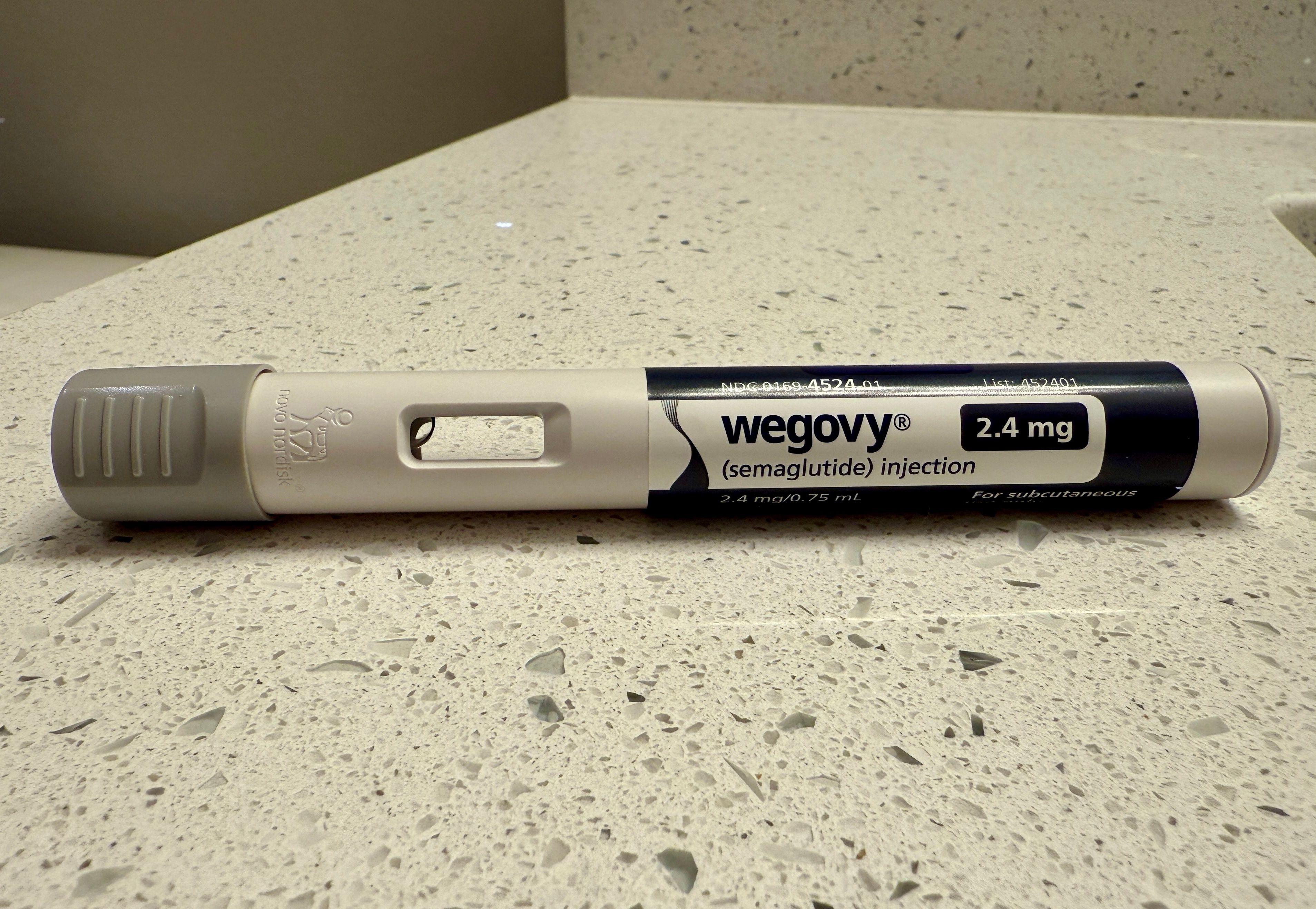
Patients with diabetes are advised to see their Primary Care Physician to discuss GLP-1 medications
Your dose may increase over time, but your monthly price remains flatyou never pay more as your dose adjusts

Seek immediate medical attention (call 999 or attend A&E) if you experience: Symptoms suggestive of diabetic ketoacidosis: persistent nausea and vomiting, severe abdominal pain, unusual fatigue, difficulty breathing, confusion, or fruity-smelling breath Severe, persistent abdominal pain that may radiate to the back (possible pancreatitis) Signs of severe dehydration: extreme thirst, very dark urine, dizziness, rapid heartbeat, or reduced urine output Symptoms of a severe allergic reaction: difficulty breathing, swelling of the face, lips, or throat Severe hypoglycaemia, especially if unable to treat yourself or if unconscious Severe pain, tenderness, redness or swelling in the genital or perineal area, especially if accompanied by fever (possible Fournier's gangrene) Contact your GP, diabetes specialist nurse, or NHS 111 promptly if you experience: Persistent or severe gastrointestinal symptoms (nausea, vomiting, diarrhoea) that interfere with eating, drinking, or medication adherence Symptoms of genital or urinary tract infections: pain or burning during urination, unusual discharge, or persistent itching Unexplained weight loss exceeding expected therapeutic effects Recurrent hypoglycaemic episodes requiring adjustment of other diabetes medications Illness with fever, vomiting, or diarrhoea where you cannot maintain adequate fluid intake Elevated ketone levels during illness, even if blood glucose is not high Right upper abdominal pain, fever, or yellowing of the skin/eyes (possible gallbladder problems) Any new or worsening symptoms that concern you Schedule routine appointments to discuss: Treatment effectiveness and whether you are achieving your weight loss and glycaemic targets Any side effects, even if mild, that affect your quality of life Changes in other medications or health conditions Questions about diet, exercise, or lifestyle modifications to complement your medication regimen Family planning or pregnancy intentions Remember that you should never stop taking prescribed medications without consulting your healthcare provider , even if you experience side effects

Talge, N