Clinical Stroke Trials Human clinical trials have yielded inconsistent results regarding efficacy: CARS trial (n=208): Demonstrated beneficial effects on global function and motor recovery in early rehabilitation patients[9] CASTA trial (n=1,070): Failed to show benefit over placebo in primary composite outcomes in Asian stroke patients[10] Meta-analyses suggest possible benefits in patients with severe stroke, but limited effects in mild-to-moderate cases[11] Safety profile comparable to placebo in most studies Neurodegenerative Disease Research Alzheimers Disease Models Research in transgenic mouse models of Alzheimers disease demonstrated effects on amyloid pathology and cognitive function[12]: Reduced amyloid plaque burden in APP transgenic mice Improved behavioral performance in memory tasks Decreased amyloid precursor protein maturation Effects maintained for 3 months after treatment discontinuation Vascular Dementia Studies Clinical investigations in vascular dementia patients showed more consistent positive findings[13]: Improved ADAS-cog cognitive scores (10.6-point improvement vs 4.4 points placebo) Enhanced global clinical function ratings (CIBIC+ scores) Benefits observed in 24-week treatment protocols with intravenous administration Effects demonstrated in multiple randomized controlled trials Traumatic Brain Injury Research Experimental TBI Models Studies in rat models of mild-to-moderate traumatic brain injury revealed dose-dependent functional improvements[14]: Enhanced long-term cognitive recovery at doses of 0.8-7.5 ml/kg Optimal dose identified as 2.5 ml/kg in closed head injury models Reduced astrogliosis and axonal injury markers Improved neurogenesis in dentate gyrus region Excitotoxicity Protection Research using kainic acid lesion models demonstrated neuroprotective effects[15]: Significant protection when administered before excitotoxic challenge Limited benefit when given after injury (therapeutic window considerations) Enhanced neuronal structure preservation in hippocampus Improved water maze performance in protected animals Critical Research Limitation: Clinical trial results for Cerebrolysin have been notably inconsistent
While topical delivery does not reach the same depth as injectables on its own, the benefits are still transformative when used consistently
It promotes collagen synthesis and increases skin turnover, which helps soften scar tissue and fade dark spots left behind by breakouts
Thymosin Beta 4 fragment as Ac-SDKP (acetylated), BPC-157 as arginate salt other ingredients: Delayed release vegetable capsule (hypromellose, gellan gum), microcrystalline cellulose, silicon dioxide and organic carnauba wax Take 1 capsules once or twice a day on an empty stomach 1
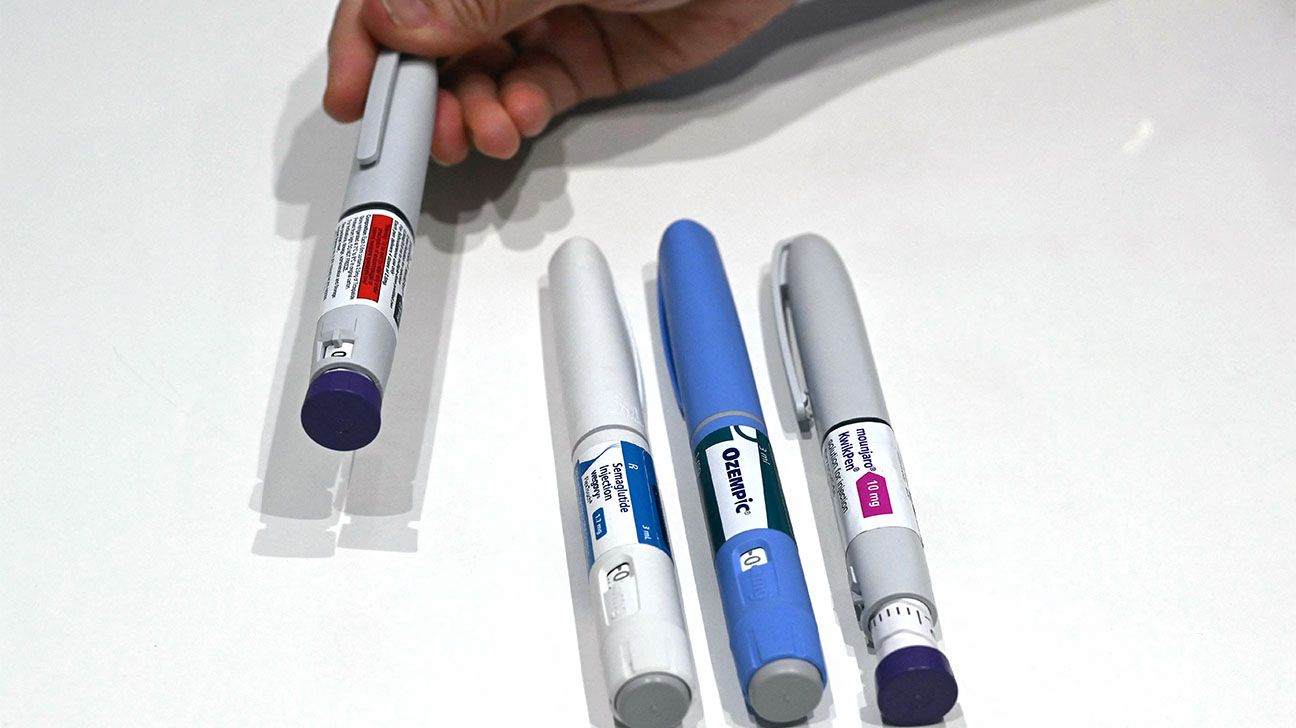
Advanced reconstitution considerations These topics go beyond the basics and address questions that come up as researchers gain experience with tirzepatide protocols